
Continue Exploring
Related Treatments
Face & Skin · Lakewood Med Spa · Dallas, TX
Pigmentation & Sun Damage in Dallas
Clearer Tone · Reduced Discoloration · Pigment-Safe Correction
Physician-directed pigment treatment combining topical brightening agents, prescription medications, and staged device protocols — tailored to your pigmentation type, skin tone, and Fitzpatrick classification.
Physician-Directed Pigment Treatment
Book Pigment ConsultationCall / Text (214) 247-6793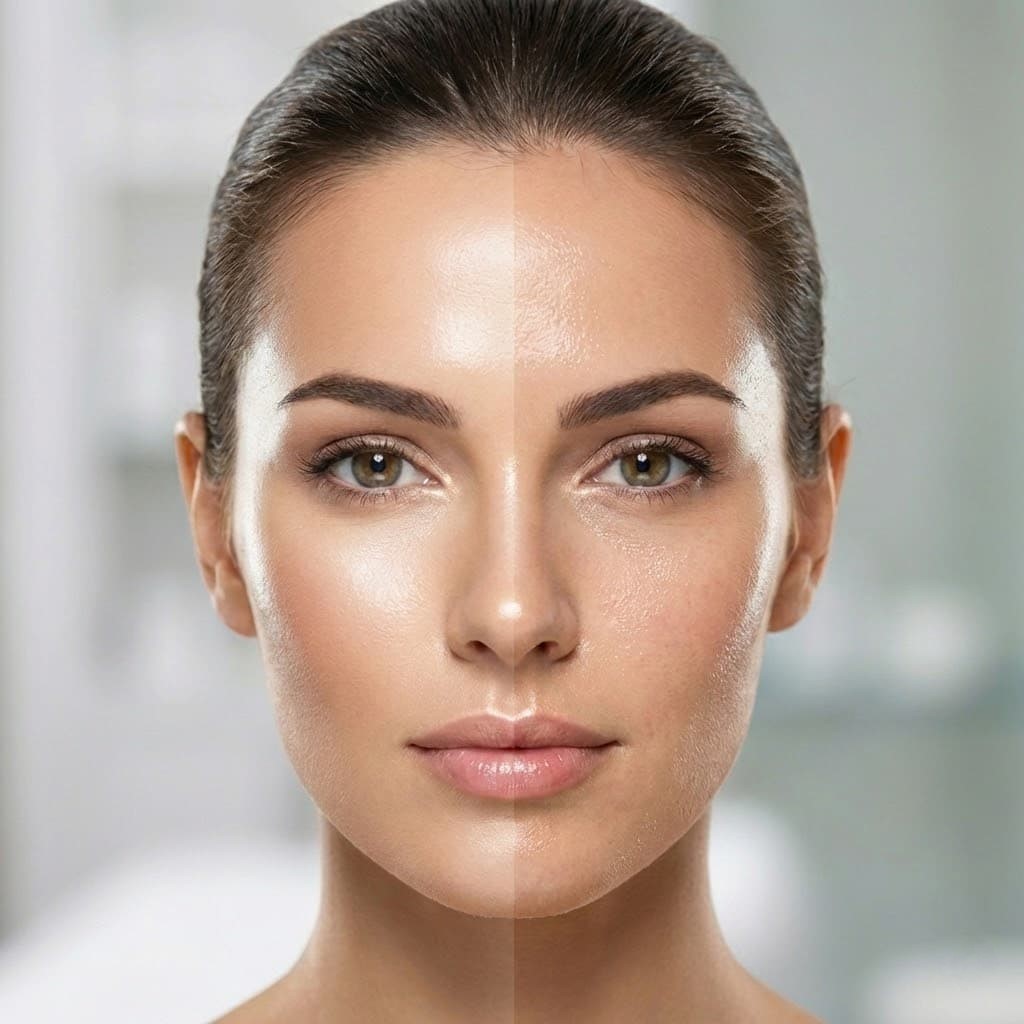
Overview
Physician-Directed Pigment Treatment
Pigmentation and sun damage occur when melanin is produced unevenly or deposited irregularly within the skin due to ultraviolet exposure, inflammation, hormonal influences, or genetic predisposition.
At Lakewood Med Spa, all pigment types are treated medically with protocols that improve clarity while protecting the skin barrier and minimizing the risk of rebound darkening. Accurate pigmentation classification is the foundation of every treatment plan — the wrong approach for the wrong pigment type can worsen the condition.
Treatment always begins with a physician consultation to assess pigmentation type, Fitzpatrick skin type, contributing factors, and appropriate device and topical selection before any treatment is initiated.
Who This Page Is For
This page is for patients who experience persistent discoloration or uneven skin tone that has not responded to over-the-counter products alone.
Melasma and PIH require conservative, pigment-safe protocols. Aggressive treatment can worsen these conditions. Physician assessment is essential before any device treatment.
Classification
Common Pigmentation Patterns We See
Accurate pigmentation classification determines which treatments are safe and effective for each patient.
Different pigmentation types require different protocols. Treating melasma like a sun spot can cause significant rebound darkening.
Sun Spots & Age Spots
UV-InducedDiscrete hyperpigmented lesions caused by chronic UV exposure. Most common on the face, hands, and décolletage. Respond well to Pico Laser and DPL Photofacial with predictable clearance.
Uneven Skin Tone
DiffuseDiffuse discoloration without discrete lesions. Often caused by cumulative sun damage, aging, or post-inflammatory changes. Improves with DPL Photofacial and Duovive Non-Ablative Laser.
Post-Inflammatory Hyperpigmentation (PIH)
Inflammation-LinkedDark marks left after acne, injury, or skin inflammation. More pronounced in darker skin tones. Requires conservative treatment — Pico Laser at appropriate settings, combined with topical brightening agents.
Hormonal Pigmentation & Melasma
HormonalSymmetrical pigmentation triggered by hormonal changes — pregnancy, OCP use, or hormonal fluctuations. Requires the most conservative approach: low-fluence Duovive, topical agents, and strict sun protection. Aggressive laser treatment can worsen melasma.
Residual Dark Marks After Acne
Post-AcnePIH remaining after acne lesions heal. Active acne must be controlled before pigment-directed treatment begins. Pico Laser combined with topical brightening agents is the standard approach.
Pigment Worsened by Sun Exposure
Sun-ReactivePigmentation that darkens significantly with UV exposure — common in melasma and PIH. Strict SPF 50+ daily sunscreen is mandatory throughout all treatment protocols to prevent reversal of progress.
Prescription & Topical Protocols
Medical & Topical Pigmentation Treatments
Device treatments work best when combined with physician-prescribed topical agents that suppress melanin production and maintain results between sessions.
Topical protocols are tailored to pigmentation type, skin tone, and sensitivity. Not all agents are appropriate for all patients.
In-Office Devices
Pigmentation Treatment Technologies
Used at Lakewood Med Spa — device selection is staged based on pigmentation type, Fitzpatrick skin type, and treatment history.
Not all devices are appropriate for all pigmentation types. Melasma requires conservative device selection to prevent rebound darkening.
Personalized Protocols
Recommended Treatment Pathways
Your physician will recommend a pathway based on pigmentation type, skin tone, and treatment history.
Our Approach
Why Choose Lakewood for Pigmentation Treatment?
01
Pigmentation Classification First
Every patient is classified by pigmentation type and Fitzpatrick skin type before any device is selected. The wrong treatment for the wrong pigment type — particularly melasma — can cause significant rebound darkening.
02
Skin-Tone Safe Protocols
Device settings and topical protocols are adjusted for melanin-rich skin tones. Conservative approaches are used for darker Fitzpatrick types to minimize PIH risk from treatment itself.
03
Combined Device + Topical
Device treatments alone rarely achieve optimal results for pigmentation. Prescription topical brightening agents are prescribed alongside device protocols to suppress melanin production between sessions.
04
Melasma Expertise
Melasma requires specialized management — not standard pigmentation protocols. Lakewood's physician-directed approach uses conservative, pigment-safe devices and hormonal assessment to manage this complex condition.
Common Questions
Frequently Asked Questions
Ready for Clearer, More Even Skin?
Schedule a consultation with our physician to assess your pigmentation type, Fitzpatrick skin classification, and design a personalized treatment protocol — combining topical agents and device treatments safely.