
Face & Skin · Lakewood Med Spa · Dallas, TX

Acne & Breakouts in Dallas

Clearer Skin · Reduced Inflammation · Long-Term Control

Physician-directed acne treatment combining medical therapies, prescription medications, and staged device protocols — tailored to your acne type, skin tone, and treatment goals.

Physician-Directed Acne Treatment

Book Acne ConsultationCall / Text (214) 247-6793
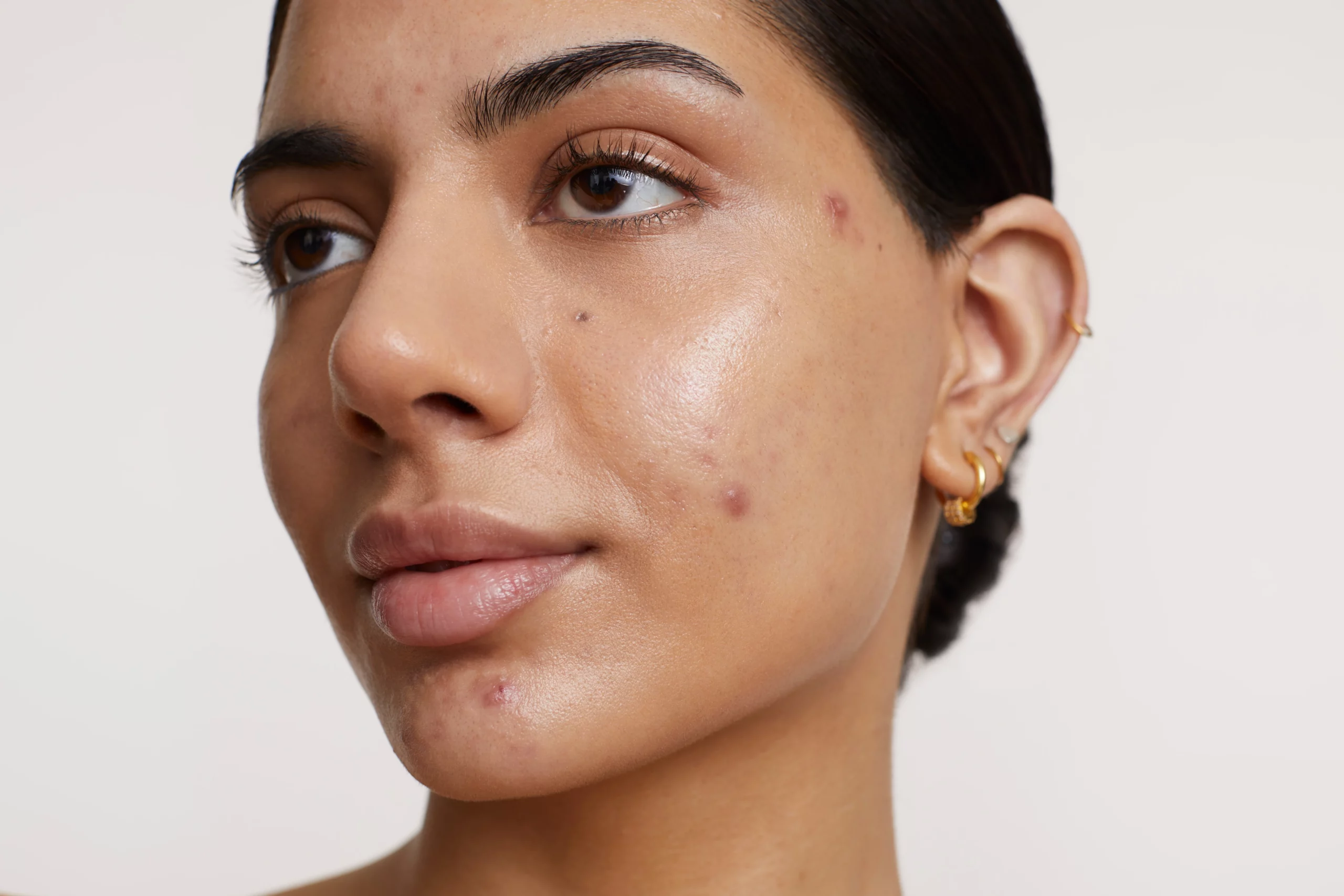
Woman with clear skin after acne treatment at Lakewood Med Spa Dallas

Overview

Physician-Directed Acne Treatment

Acne is a chronic inflammatory skin condition that affects adolescents and adults. In many cases, breakouts persist into adulthood or recur due to hormones, stress, oil imbalance, and inflammation.

At Lakewood Med Spa, acne is treated as a medical skin condition — not a cosmetic inconvenience. Treatment plans combine prescription medications, in-office clinical treatments, and staged device protocols to control active breakouts, reduce inflammation, and prevent long-term scarring.

Every plan begins with a physician consultation to assess acne type, severity, skin tone, and contributing factors before any medication or device is selected.

Who This Page Is For

Patients with active inflammatory acne are treated first — scar-directed treatments are introduced only after breakouts are stabilized.

Persistent or recurrent breakouts
Acne that worsens with stress or hormones
Acne with dark marks after healing
Adult acne with sensitivity or irritation
Comedonal acne (blackheads and whiteheads)
Acne with post-inflammatory hyperpigmentation

Active acne is always stabilized before scar-directed treatments are introduced.

Classification

Common Acne Patterns We See

Accurate pattern recognition guides treatment selection and sequencing.

Inflammatory Papules & Pustules

Red, raised, pus-filled lesions caused by bacterial overgrowth and immune response. Require anti-inflammatory treatment sequencing.

Hormonal-Pattern Acne

Breakouts concentrated along the jawline, chin, and lower face — often cyclical and linked to hormonal fluctuations in adults.

Comedonal Acne

Blackheads and whiteheads caused by clogged follicles. Responds well to extraction-based treatments like AquaFacial Hydradermabrasion.

Adult-Onset Acne

Acne that begins or recurs in adulthood, often driven by stress, hormones, or skincare product reactions.

Acne with Post-Inflammatory Hyperpigmentation

Dark marks left after acne heals — not true scars, but require pigment-safe treatment planning to avoid worsening.

Sensitive or Reactive Skin Acne

Acne in patients with easily irritated skin requires gentler device settings and carefully sequenced protocols to avoid flares.

Medical Treatments

Pharmaceutical & Clinical Acne Treatments

Active acne is addressed with a combination of medical-grade topicals, oral medications, hormonal therapies, and in-office chemical treatments — prescribed and monitored by our physicians.

Chemical Peels

In-Office

Medical-grade chemical peels exfoliate the skin surface, unclog pores, and reduce active breakouts. Salicylic acid peels penetrate follicles to dissolve congestion and reduce inflammation.

Salicylic acid peels (BHA) — pore-penetrating, anti-inflammatory
Glycolic acid peels (AHA) — surface exfoliation, texture improvement
Jessner's peel — combination formula for stubborn comedonal acne
TCA peels — deeper resurfacing for post-acne texture

Topical Treatments

Prescription

Prescription-strength topical agents target bacteria, reduce sebum production, and accelerate cell turnover — forming the foundation of most medical acne protocols.

Benzaclin (Clindamycin + Benzoyl Peroxide)

Combination topical that kills acne-causing bacteria while preventing antibiotic resistance. Effective for inflammatory papules and pustules.

Tretinoin / Retinol (Retinoids)

Vitamin A derivatives that accelerate cell turnover, prevent follicular plugging, and reduce comedones. Prescription tretinoin is significantly more potent than OTC retinol.

Topical Antibiotics (Clindamycin / Erythromycin)

Applied directly to breakout-prone areas to reduce bacterial load and inflammation. Always combined with benzoyl peroxide to prevent resistance.

Oral Antibiotics

Prescription

Oral antibiotics reduce systemic bacterial load and inflammation in moderate-to-severe inflammatory acne. Used short-term in combination with topicals to prevent resistance.

Doxycycline — most commonly prescribed; anti-inflammatory at low doses
Minocycline — effective for inflammatory acne; used when doxycycline is not tolerated
Always combined with topical benzoyl peroxide to reduce resistance risk
Short-course use recommended; not intended for long-term monotherapy

Hormonal Therapies

For Women

Hormonal acne — particularly along the jawline, chin, and lower face — often requires hormonal regulation in addition to topical treatment. Available for appropriate female candidates.

Oral Contraceptive Pills (OCP)

Estrogen-progestin combinations reduce androgen-driven sebum production. FDA-approved options (e.g., Yaz, Ortho Tri-Cyclen) are effective for hormonal-pattern acne in women.

Spironolactone (Aldactone)

An androgen-blocking medication that reduces sebum production at the hormonal level. Particularly effective for adult women with jawline/chin acne that worsens with the menstrual cycle.

Hormonal therapies require physician evaluation and are prescribed based on individual health history.

In-Office Devices

Acne Treatment Technologies

Device selection is staged based on acne progression — each technology targets a different phase of the treatment process.

Not all devices are used simultaneously. Your physician determines the appropriate sequence.

AquaFacial Hydradermabrasion →

Cleanse Congestion · Extract Impurities · Calm the Skin

Congestion & Cleansing

Multi-step vortex system that simultaneously cleanses, exfoliates, extracts, and infuses the skin with targeted serums. Removes congestion and impurities from follicles, calms active inflammation.

Best For

Active congestion and blackheads
Oily and breakout-prone skin
Mild inflammatory acne
Sensitive skin requiring gentle treatment

DPL Photofacial with Near-Infrared →

Targeted Light · Heat Reduction · Breakout Control

Inflammation Reduction

Dynamic Pulsed Light targets bacteria responsible for inflammatory acne while near-infrared energy calms redness and supports skin healing. Effective for inflammatory papules and vascular redness.

Best For

Inflammatory papules and pustules
Redness and post-acne flushing
Hormonal-pattern acne
Acne with vascular redness

RF Microneedling →

Dermal Support · Pore Correction · Post-Acne Texture

Dermal Support & Pores

Radiofrequency energy delivered through microneedles at controlled dermal depths to stimulate collagen remodeling. Introduced after active breakouts are stabilized — corrects enlarged pores and early post-acne texture changes.

Best For

Enlarged pores after acne stabilizes
Early post-acne texture changes
Dermal support improvement
Mild atrophic scarring

Pico Laser →

Dark Mark Reduction · Pigment-Safe · Post-Acne Correction

Pigment Correction

Ultra-short picosecond pulses shatter pigment particles in post-inflammatory hyperpigmentation. Lightens dark marks with minimal thermal damage — suitable for melanin-rich skin types.

Best For

Post-inflammatory hyperpigmentation
Dark marks after acne heals
Melanin-rich skin types
Pigment correction after breakout control

Personalized Protocols

Recommended Treatment Pathways

Your physician will recommend a pathway based on acne type, severity, skin tone, and treatment goals.

Mild Congestion

4–6 weeks

Medical

RxTopical retinoid or BHA cleanser
RxBenzaclin if inflammatory component present

Devices

AquaFacial series (4–6 sessions)
Optional DPL for redness

Moderate Inflammatory Acne

8–12 weeks

Medical

RxOral antibiotics (doxycycline) + Benzaclin
RxOCP or Spironolactone if hormonal pattern

Devices

DPL Photofacial for inflammation control
RF Microneedling for early texture change

Acne with Pigment Marking

8–16 weeks

Medical

RxStabilize breakouts with oral antibiotics + topicals
RxTretinoin introduced after inflammation controlled

Devices

Stabilize breakouts first
Pico Laser for pigment correction

Our Approach

Why Choose Lakewood for Acne Treatment?

01

Medical-Grade Treatment

Acne is treated as a medical condition with physician oversight — not a cosmetic inconvenience addressed with facials alone.

02

Skin-Type Specific Planning

Fitzpatrick skin type is factored into every decision to minimize post-inflammatory hyperpigmentation risk in darker skin tones.

03

Active Acne First Protocol

Inflammatory acne is controlled before scar or pigment treatment begins — preventing new damage while addressing existing concerns.

04

Comprehensive Toolkit

Lakewood combines prescription medications, chemical peels, hormonal therapies, and device protocols for comprehensive, individualized results.

Common Questions

Frequently Asked Questions

Ready to Address Your Acne?

Schedule a consultation with our physician to assess your acne type, identify contributing factors, and design a personalized treatment protocol.